In Contrast to Federal Courts, State Courts Have What Kind of Jurisdiction?
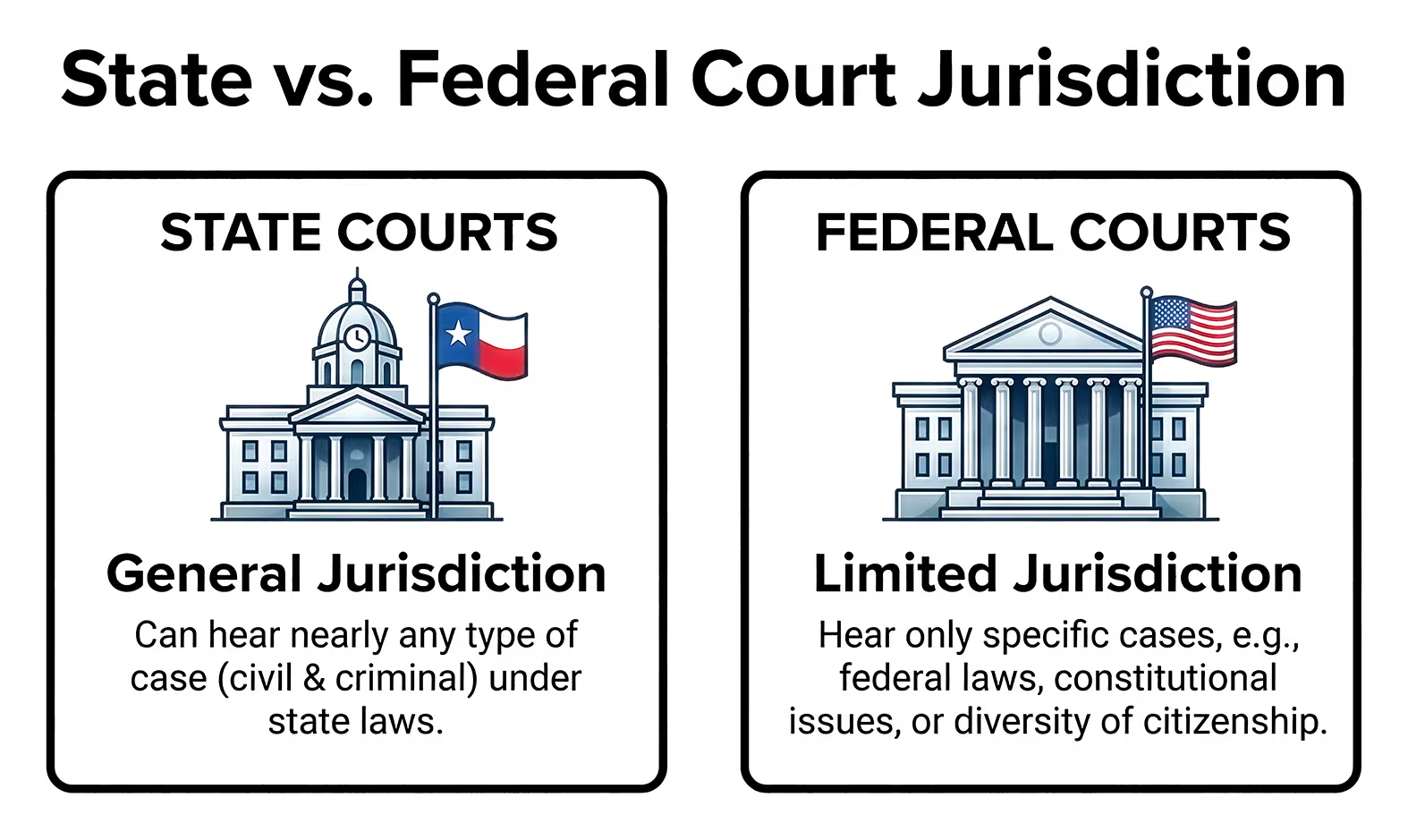
Get a Free ConsultationState courts have General Jurisdiction. Federal courts have Limited Jurisdiction.
State courts have general jurisdiction, which means that can hear almost any type of case, including civil, criminal, family, probate, contract disputes, tort claims, etc. (unless a law specifically routes that matter elsewhere).
Federal courts have limited jurisdiction, meaning they can only hear cases that fall within specific categories defined by the Constitution and federal statutes. Most cases in Federal court jurisdiction are:
- Cases involving federal law or the U.S. Constitution
- Cases involving parties from different states where the amount in controversy exceeds $75,000 (diversity jurisdiction)
- Cases where the U.S. government is a party
This is why the vast majority of legal disputes in the country are handled in state courts rather than federal ones. Federal courts having jurisdiction is the exception, not the rule.